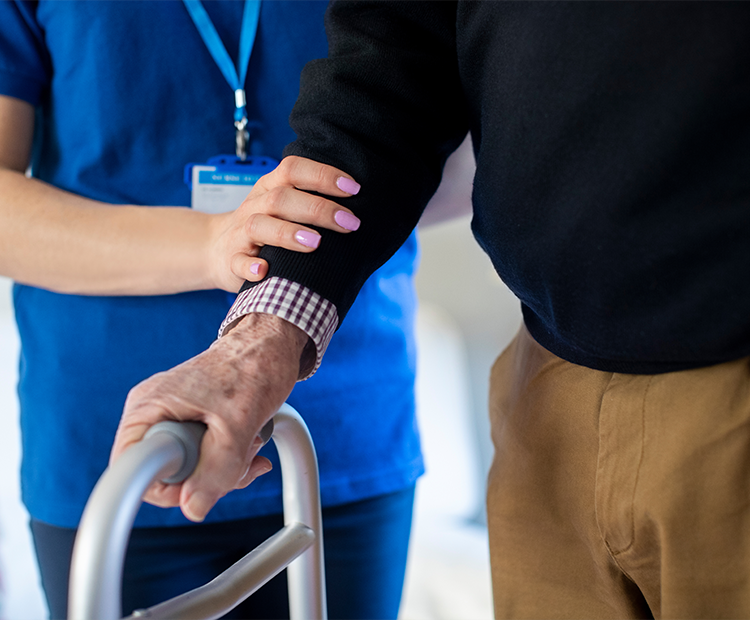
Can physical activity help with dementia?
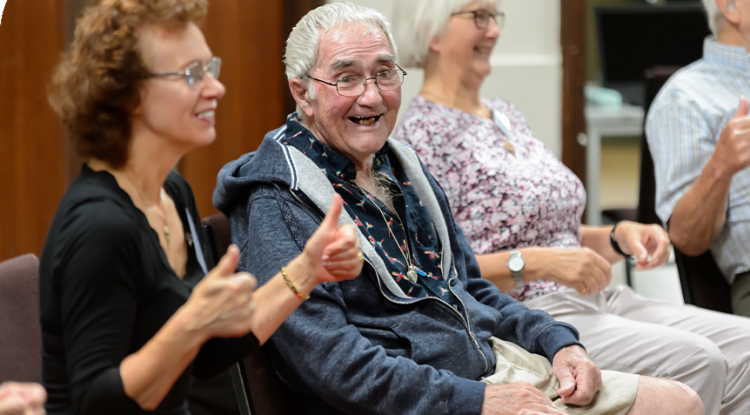

Leading a physically active lifestyle can provide various mental and physical benefits to those living with Dementia.
Physical activity has not only been proven to improve the overall wellbeing of those living with Dementia, providing opportunities to be sociable and have fun. It also contributes to improved heart health, muscle strength, balance, and reduces the risk of further health complications.
Recent studies have also shown that being physically active may actually contribute to a reduced risk of developing dementia later in life.
Living with Dementia: Benefits of Exercise

Maintain a healthy weight

Prevent frailty, falls and improve mobility

More opportunities to socialise with others
Improve your overall fitness
This section is for those who live with or support someone living with Dementia, as well as those who want to learn how to reduce their risks of developing dementia. It focuses on the ways to manage dementia in your day to day life. There is also guidance on how to incorporate physical activity into your day safely.
Pathways into Nature are free dementia support sessions which will run in November and December 2021. They provide the opportunity to gain inspiring advice and support by Dementia Adventure for unpaid carers, family and friends of people living with Dementia who enjoy the outdoors. Click here to read more about how to sign up to Pathways into Nature.
Many people wonder the difference between Dementia and Alzheimer’s. Dementia is the umbrella term for mental decline which interferes with your daily life. Alzheimer’s is the most common and well-known type of dementia, though there are other lesser known types such as Frontotemporal and Vascular dementia. It is important to know a little bit about what you or the person you are supporting has so you know how best to tackle it.
Exercising with dementia can not only help you maintain a more healthy lifestyle, it can also provide social opportunities. Being active can help manage your condition.
Getting started: Exercising with Dementia
The first step is always the hardest! Whether you’ve been diagnosed with Dementia or you’re at higher risk of developing it, physical activity will be able to help.
People in the early stages of dementia may experience no new difficulties in sports and other physical activities they enjoy. For this reason they ought to be encouraged to continue to be active, or to take up new activities.
To get started, take it slowly and consider seeking help if you feel you need it.
There are also plenty of organisations and charities who can help if you need it. You can find a list to get you started here.
Suitable exercise ideas for someone with dementia
- Gardening
- Qigong or Tai Chi
- Dementia-friendly walks
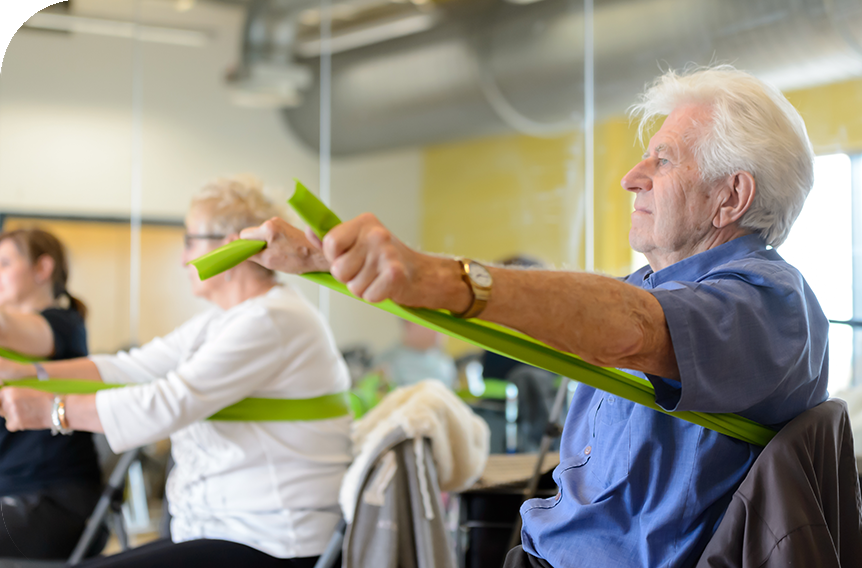
- Chair-based exercises
- Fall Prevention Videos
Remember, it’s never easy receiving a diagnosis, but you’re not alone. If someone you know has been diagnosed, you’ll also want to know more about how you can help and what support is available, which we’ll cover at the bottom of this page.
When to avoid exercise
You might be less motivated to remain physically active after a dementia diagnosis or lose some confidence. This is perfectly normal and there are various resources available to help you build your confidence in small steps.
It’s important that when you feel well enough to do so, you try and remain as physically active as possible, and aim for 150 minutes of moderate exercise a week.
You should consider avoiding exercise if:
- Feeling ill or fatigued: If you’re feeling tired or ill, stop and consider doing something a little more relaxing until you feel better. Don’t force exercise if you’re not feeling very well and be patient with yourself.
- If the activity is particularly strenuous or could cause harm: Similarly, if you’re undertaking a particularly strenuous exercise, make sure you have family, friends or carers close at hand to assist you.
- If the activity is located somewhere unfamiliar: Make sure you communicate if you’re travelling somewhere new. Let any designated carer know and consider getting in touch with the facility in advance so they know to expect you and can help if you need it.
- Your GP or specialist LTC Healthcare Professional has recommended it: You should always consult your specialist LTC Healthcare Professional when taking on a new exercise regime, and they will likely be very supportive of this.
For Healthcare Professionals
Below, we’ve listed some key information about the science behind dementia. There are also several resources which you can download or signpost patients to.
For further information about having conversations with people living with dementia and physical activity please visit Moving Medicine and the Healthcare Professionals Hub for directive conversation support.
How can physical activity help reduce chances of developing dementia?
- Slow the shrinking of the hippocampus: Aerobic exercise in particular may help slow shrinkage in the part of the brain dealing with memory.
- Regular exercise from mid-life can significantly reduce the risk of developing dementia by up to 30%. For Alzheimer’s, the risk is reduced by around 45%.
- Studies show 150 minutes of moderate exercise a week can reduce the risk of Alzheimer’s disease by up to 21.8%
- Lower blood pressure: Recent studies found that high blood pressure and cholesterol may be linked with dementia.
- Improved cognition: Higher levels of physical exercise are associated with less cognitive decline in older people. It’s also associated with slower loss of brain tissue, even with those who display biomarkers of early dementia. It is thought that exercise improves blood flow to the brain, stimulating nerve cell growth.
Furthermore, physical exercise can refer to any exercise, from brisk walking, to cleaning or gardening. Even daily physical tasks such as cooking and washing up have been proven to reduce the risk of Alzheimer’s.
How can I adapt activities for those living with dementia?
We have several guides on adapting activities for those living with memory problems. Whether you’re looking to provide an exercise referral for someone living with dementia symptoms or design an activity yourself, you should start with our adapting activities guides.
You should always check that any activities are safe for someone with dementia before starting. This can be done through Dementia Care Mapping observations, and if necessary, adapting any exercises so they’re safe. Find out more below.
Resource bank for physical activity and dementia
There are several local charities and funds that can help if you need support. In contacting these charities, you’ll be able to chat to someone who works closely with people suffering from dementia and will have a good idea of the best steps to take.
We also have case studies and insight to show the benefits of physical activity when dealing with dementia and finally various resources to help you get physically active.
Local charities and organisations



Downloadable resources
Related pages
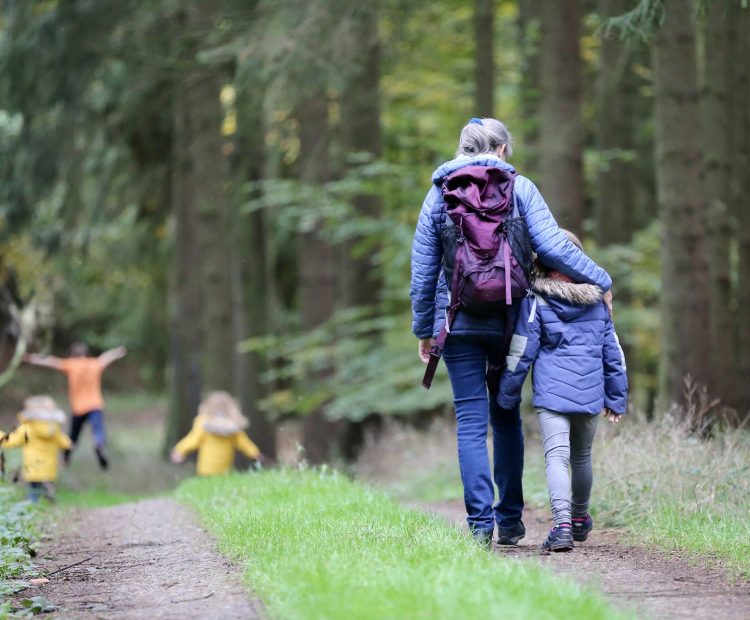
Dementia Walks
Find out more
Insight: Long-term health conditions
Find out more