Six in ten adults are achieving the recommended activity levels since COVID-19 pandemic
The results of the latest Active Lives Survey (ALS) has revealed just over six in ten adults achieved their recommended 150+ minutes of physical activity a week.
The latest survey covers the period between November 2020 and November 2021, during which there were five months of notable restrictions as a result of the COVID-19 pandemic. This includes two and a half months of full national lockdown restrictions. Read on to find the results of the Active Lives Survey for November 2020-2021.
What is the Active Lives Survey?
The Active Lives Survey is a Sport England-led survey, which provides information about the physical activity levels of people in England. There are separate surveys for adults (a bi-annual report) and for children (an annual report).
The survey has been running since 2015 and replaces the Active People Survey.
The latest adult Active Lives Survey reports on their overall physical activity levels. It does this whilst delving deeper into the results in order to report on factors such as demographics, types of activity and the impact on those with disabilities or long-term health conditions.
What were the results of the Active Lives Survey?
The latest survey covers the period between November 2020 and November 2021. During this time, activity levels dropped as a result of lockdown restrictions, but have since stabilised and started to recover.
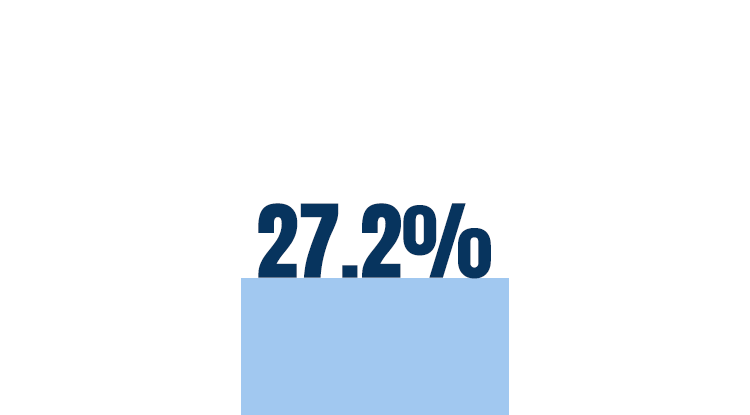
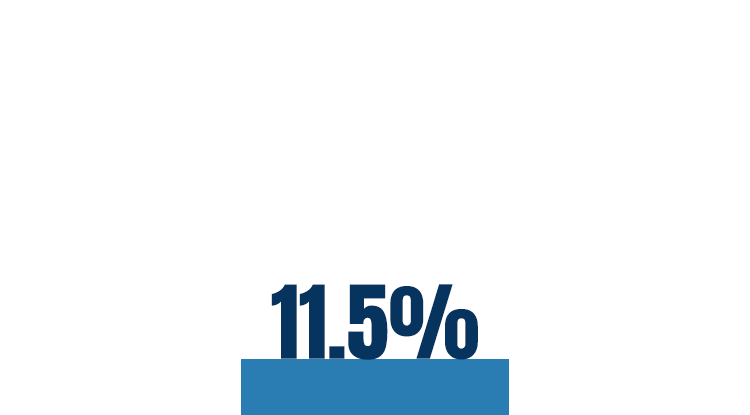
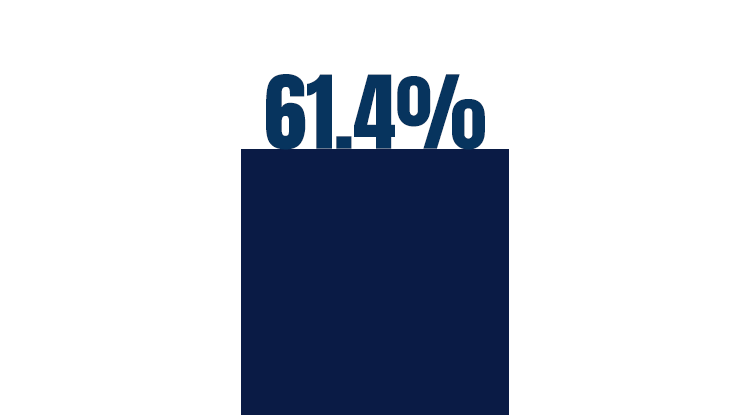
Between November 2020 and 2021, just over six in ten adults (61.4%) reported doing 150 minutes+ of physical activity a week. The 28 million adults who fell into this category were considered active.
On the other hand, 27.2% (12.4 million adults) reported being inactive, meaning they did less than an average of 30 minutes of physical activity per week.
Some groups such as younger adults have seen activity levels continue to fall, whilst physical spaces such as gyms and leisure centres are seeing a slow recovery in numbers since closing during the pandemic.
The survey shows that activity is less common for those with a disability or long-term health condition. This has been exacerbated by the pandemic with a clear drop in activity levels since pre-pandemic. With this said, these numbers have stabilised and there is hope that they may begin to recover as more people with health conditions feel comfortable increasing their levels of activity.
How does this compare to pre-pandemic levels of physical activity?
Compared to pre-pandemic levels (November 18-19), we are seeing a 2.6% increase in inactive adults.
However, as the pandemic has progressed, activity levels have stabilised, with no further changes reported compared to 12 months ago.
With this said, certain groups have been hit harder than others. These groups show slower or no signs of recovery since the pandemic. Activity levels continue to fall among young adults (aged 16-34) with 3.7% fewer active young people in comparison to two years ago.
Similarly, we are seeing widening inequalities, with the least affluent being amongst those most impacted. The data also shows a large drop in volunteering numbers. This could prove to be a big concern for the sports and physical activity sector.
Read the full Active Lives Survey report
The full adult’s Active Lives Survey report can be read by clicking the link below. On this page, you’ll also find information on the data for Norfolk specifically. We can also see how these figures have changed since the last report.
Do these results include children?
The Children and Young People’s Active Lives Survey is a separate annual report which shows the attitudes and levels of physical activity amongst younger people (aged 3-16).
The latest report is available below. Each term, we invite a selection of Norfolk schools to take part and answer the survey questions. If you’re a local school or parent, you can also find out how to get your child’s school involved.