What are the benefits of physical activity when pregnant?
Last updated December 2021

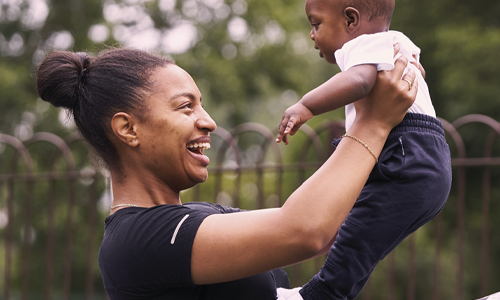
The more physically active you are during pregnancy, the easier it will be for you to adapt to your changing shape and weight gain as your pregnancy progresses.
Despite many women being concerned that physical activity might harm their baby, you should be able to exercise as vigorously as before. This is provided you avoid high impact sports.
Throughout your pregnancy, you should aim to complete at least 150 minutes of moderate intensity activity per week.
Being physically active when pregnant

Build strength as your body changes

Helps prevent gestational diabetes
Helps prevent blood pressure problems

Can make the process of labour easier
Being physically active when pregnant provides various benefits in all stages of pregnancy. From reduced feelings of stress and anxiety, to lowering the risks of complications such as pregnancy diabetes, the importance of remaining physically active during your pregnancy cannot be understated. Click here to watch the CMO guidelines for physical activity when pregnant.
Getting started: Physical activity when pregnant

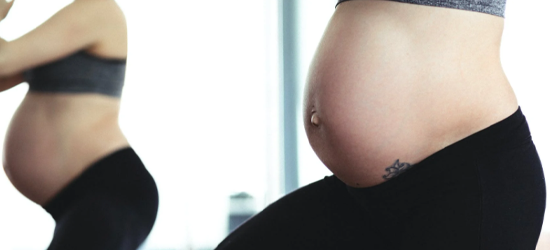
If you’re not already active, simply start gradually and build up gently. You should aim for 150 minutes of moderate exercise, but any exercise is beneficial for both you and your baby.
You may feel some discomfort when starting out, particularly if you did not already lead an active lifestyle. This is perfectly normal, and should subside once your body begins to adapt to the new routine.
Take care to warm up and cool down before exercise – this reduces the chances of injury – cooling down afterwards is also important for allowing your heart rate to return to normal.
Listen to your body and don’t push yourself too hard. You are taking an important step towards good health and there is no rush.
If you already lead a relatively healthy lifestyle, you should adapt your physical activities rather than stopping; swapping out any high impact activities for lower impact alternatives.
Suitable exercise ideas for those who are pregnant
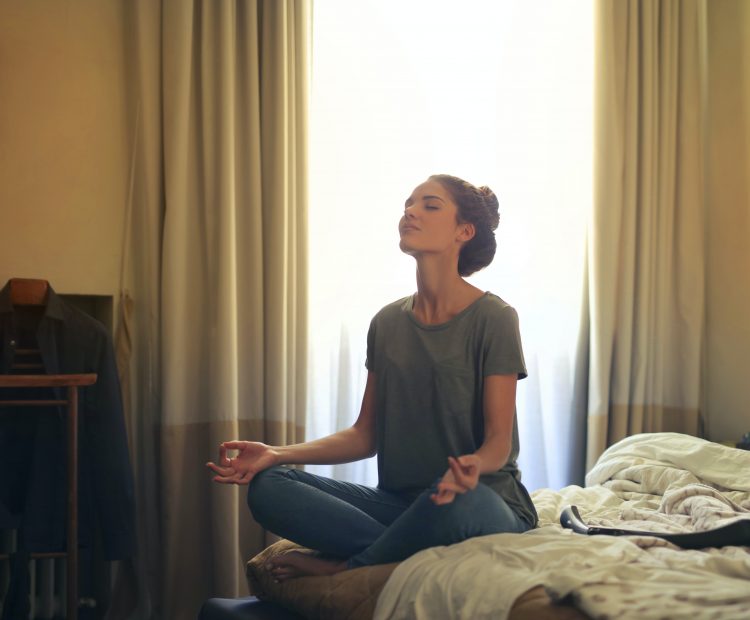
- Yoga and meditation
- Indoor bike
- Swimming and water exercises
- Walking
- Low impact aerobic classes
- NHS exercises
- This Mum Moves
As you get closer to the end of your pregnancy, consider sticking to options closer to home so you’re always in a safe and suitable location.
If you’re ever unsure about taking on a new activity or routine, seek the advice of your midwife.
When to avoid exercising
Whilst many women will be concerned about exercising whilst pregnant, it is generally perfectly safe. You should proceed unless you have been advised otherwise by a medical professional. Listen to your body; if you feel any sharp pains or are concerned about anything, switch up what you’re doing.
- Pregnancy complications: If you experience any complications in your pregnancy, discuss with your midwife or birth specialist whether you should adapt your exercise plan.
- Recurrent pregnancy issues: If you’ve previously had a complicated pregnancy, including pregnancy loss or preterm births, you should also discuss this with your gynaecologist.
- Malnutrition and eating disorders: If you struggle with an eating disorder, you should lay out a specific dietary and exercise plan with a professional to avoid any injuries.
Being active after giving birth
Many new mothers question their abilities to be active immediately after childbirth. However, you needn’t worry about physical activity causing any harm provided you start gradually. There is no evidence that being active after childbirth is harmful to healthy women, and it is safe for those who are breastfeeding their baby.
Being active after childbirth:
- Is great for your mood, and reduces worry and depression
- Improves cardiovascular fitness
- Helps with post-pregnancy weight management
- Helps with tummy muscle tone & strength
- Improves sleep
The main thing to remember is to take it slowly and don’t try to do too much too quickly.
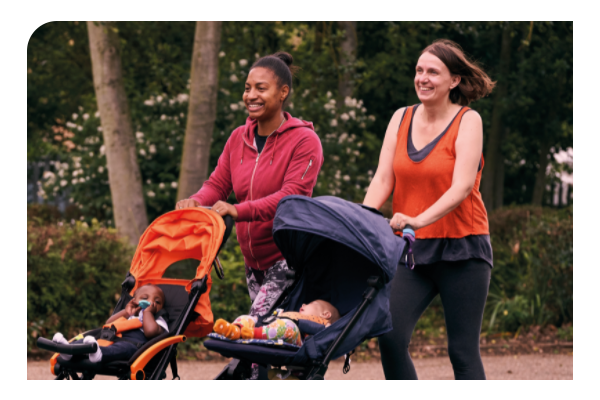
Being physically active after birth is also a great way to socialise – for both you and the baby!
If you’ve had a straightforward birth, you may start gentle activity as soon as you feel up to it, e.g. walking, gentle stretches, pelvic floor exercises and deep stomach exercises.
After the 6-8 week postnatal check and depending on how you feel, moderate intensity activities can gradually resume over a minimum period of at least 3 months.
After this, and in the absence of any issues, more intense activities can resume such as running.
For more information, check the NHS advice on exercising after birth. There are also hubs such as Carifit which can help you get moving again. Alternatively, you can check out our resources below which contain guides and advice for both expectant mothers and those who have recently given birth.
For Healthcare Professionals
Below are some useful resources on the benefits of remaining physically active whilst pregnant to signpost patients to.
For further information about having conversations with people about being physically active during pregnancy, please visit Moving Medicine and the E Learning Page for directive conversation support.
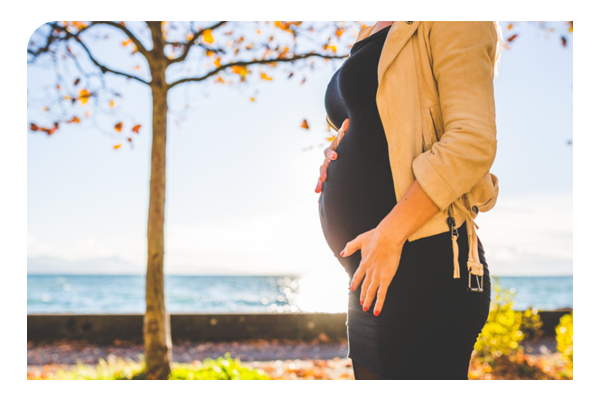
A common misconception is that exercise makes the baby come earlier. This should not be a concern: whilst exercises such as squats have been known to help induce labour when the baby is ready, exercising during your pregnancy does not increase the risks of a premature birth.
In fact, studies have suggested that regular exercise puts women at lower risk of preeclampsia; a dangerous condition which can lead to premature birth.
How can physical activity help improve labour?
- 65% of women who took part in regular aerobic activity during the second half of their pregnancy experienced a shorter labor, and were in active labor for less than four hours.
- Physical activity may contribute to fewer interventions needed during birth – women who exercise towards the end of pregnancy tend to have placentas rich with oxygen and nutrients, which lowers fetal distress.
- You may find pushing easier – By conditioning certain groups of muscles (pelvic floor muscles and transverse abdominis) you may find the pushing part of giving birth slightly easier to handle.
- Towards the end of your pregnancy, the more upright you are the better – according to a midwife, the gravity from standing rather than sitting for long periods of time helps get your baby in the best position to give birth.
There are many fantastic resources you can use to advise pregnant women. This Mum Moves has a whole section on pregnancy and being active, whilst this site will help you perform a risk assessment in order to provide the best advice for exercising whilst pregnant and after giving birth.
Resource bank for healthy pregnancies
There are several classes, professionals and charities that can provide support if you need it. Many of these specialise in helping women who have had complications in their pregnancy. In contacting these charities, you’ll be able to chat to experts on the subject and get the best advice.
We also have insight to show the benefits of physical activity when pregnant. Finally there are various resources and home exercises to help you get physically active.