
Mobile Me
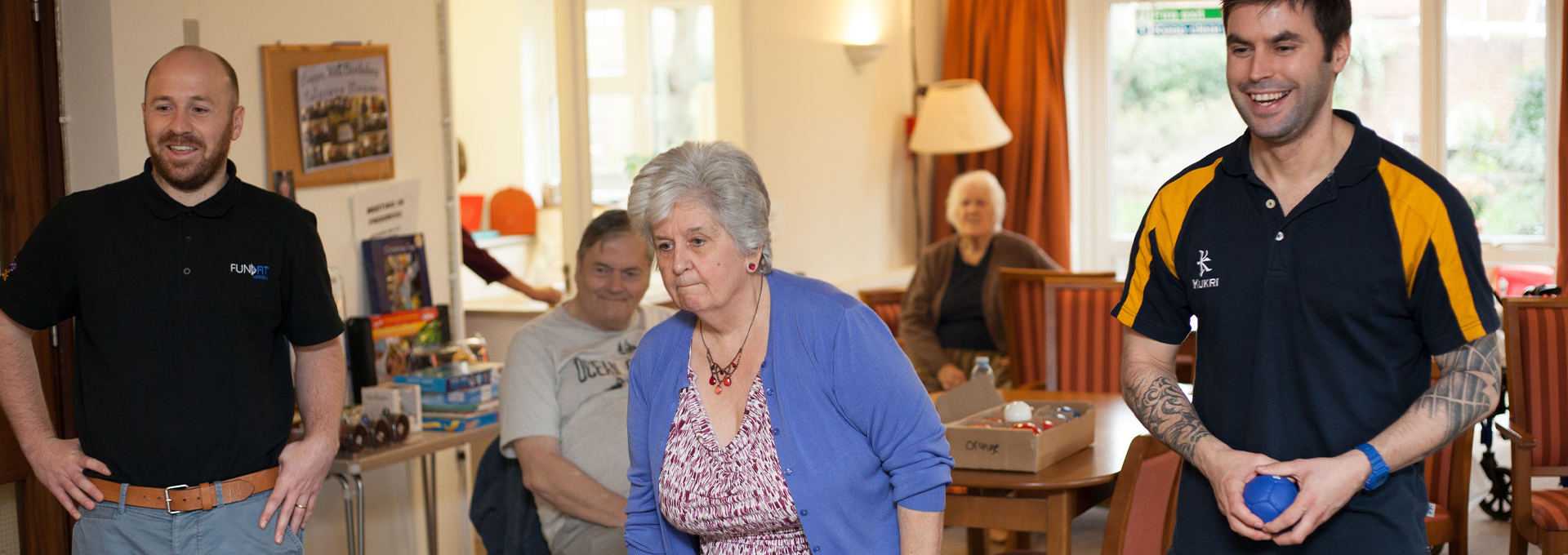
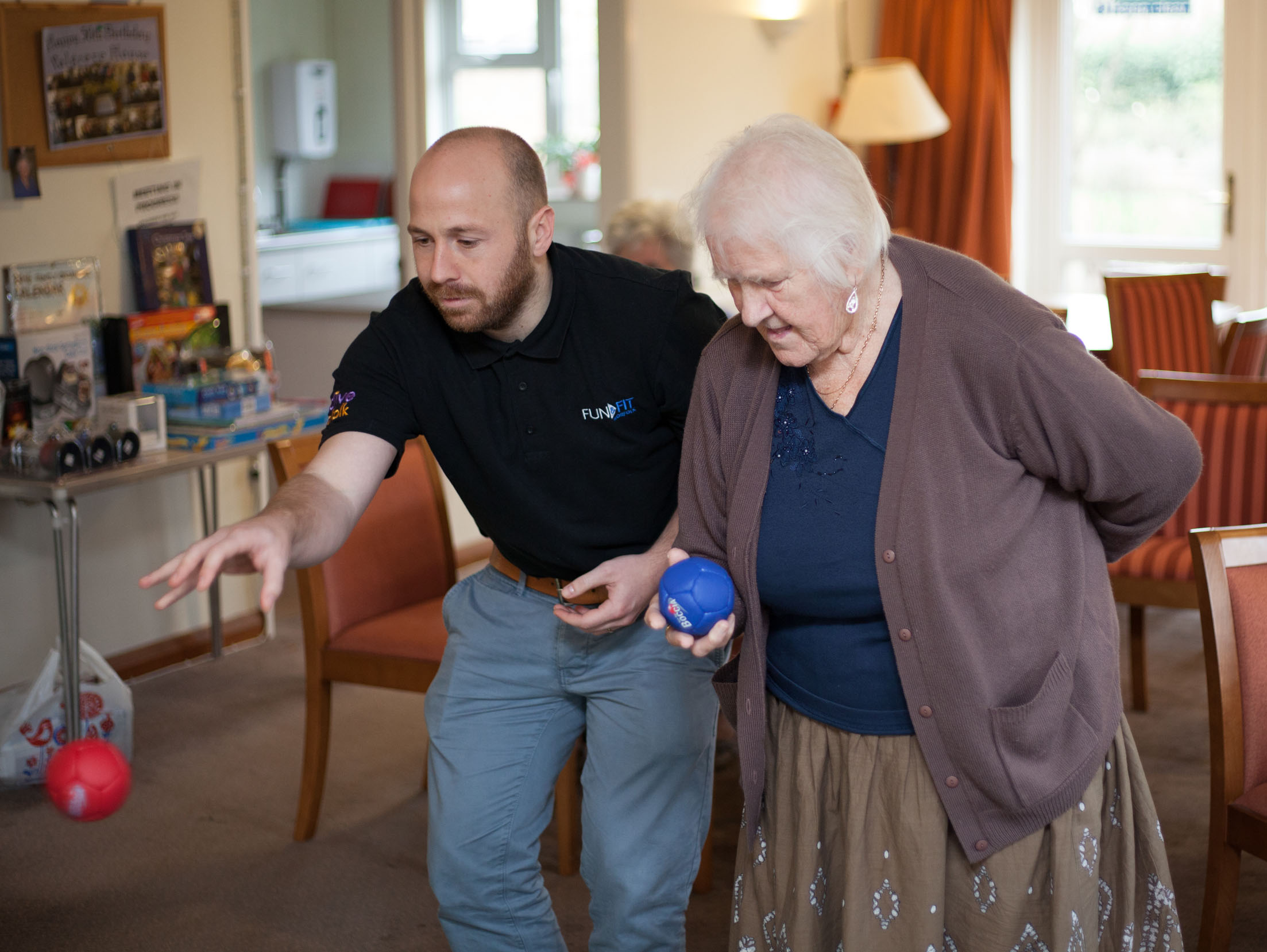
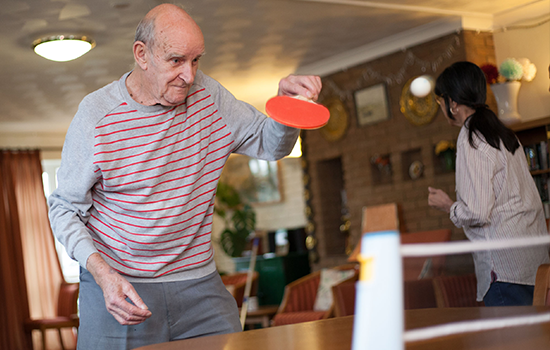
Our Mobile Me project sought to increase activity levels of older people living in sheltered housing and residential care settings, with an aim to normalise physical activity as part of the culture for older people living in these settings.
The findings of the programme have been used to shape our approach towards active ageing within Norfolk. On this page you can read the project profile and the recommendations arising from the project evaluation and watch the video to find out more about the impact of the project.
You can also download the full report from the UEA, and best practice guidelines summary generated from the the project findings.
Background
Mobile Me was a ten-week sport intervention delivered free to residents aged sixty-five years and over in fifty-one sheltered housing and care home sites in Norfolk between October 2015 and December 2017.
The primary intended outcome of Mobile Me was a reduction in inactivity. Secondary outcomes were to improve functional status, well-being and social interaction, and to reduce sitting time, fall-risk and loneliness.
Evaluation Methods
Staff from Norwich Medical School at the University of East Anglia collaborated with Active Norfolk to undertake an evaluation of Mobile Me. This was a pragmatic, mix-methods evaluation, so both qualitative data and quantitative outcomes measurement were collected.
As this was a population where physical and mental decline might be expected, a waiting-list control group was recruited to measure the counter-factual.
The Older Population and Group Settings
In 2016 18% of the UK population was 65 and over, by 2046 this figure is forecast to be 25%. There is considerable variation however in the number of older people in different areas of the UK; currently areas with the highest proportion of older people are coastal. In the county of Norfolk, mid-year population estimates in 2017 were that 24% of usual residents were aged 65 and over.
In 2011, 3.2% of people 65 over in the UK were in residential care. The care home population is also aging, and consequently, there is a prevalence of dementia and multiple health conditions (Matthews et al. 2016). The four most common conditions in residential care settings are musculoskeletal (such as arthritis), stroke, dementia and Parkinson’s Disease.
Physical Activity and Older People
- The UK government’s physical activity guidelines for people aged 65+ recommend a minimum of 150 minutes of moderate physical activity a week; individuals who are already fit can alternatively aim for 75 minute of vigorous physical activity a week.
- Older adults should also undertake muscle- strengthening exercises twice a week, and for those at risk of falls, activities targeting balance and coordination.
- However, due to the high rates of inactivity in older people, there is some emphasis within the guidelines on older people doing something rather than nothing.
- Due to higher levels of poor health and disability in older people, the guidance also states that the recommendations should be ‘be interpreted with consideration of individual physical and mental capabilities’ (Department for Health 2011, p.38).
- A review of the evidence on sedentary behaviour by an expert working group found that sedentary behaviours are associated with poor health outcomes such as all-cause cardiovascular mortality and diabetes. And another recommendation within the physical activity guidance is to minimise extended sedentary periods.
- Sparling et al. argue for a change in focus away from the 150 minutes moderate activity recommendation for older people that cannot, or do not want to meet this target. Given evidence about the benefits of even very small increases of physical activity for those that are inactive, they suggest that a more realistic message for these individuals should be that some activity is better than none, including light physical activity.
- Furthermore, given emerging evidence about the potential health risks of sedentary behaviour, that there should be more emphasis on encouraging older people to break up sedentary time.
- A review of the literature in ten European countries between 1981 and 2014 found that, on average, older adults (60+) spend on average 9.4 hrs per day sedentary, which equated to 65-80% of their waking day.
Key Findings
- Sedentary behaviour in the intervention group reduced, which was the primary outcome for the programme. Physical activity and sport also increased, although it is likely that a proportion of this was light physical activity, this may be all that is possible for some individuals.
- The arm curl improved in the intervention group when compared to the control. There is also some evidence for an improvement in another test, the ‘timed up-and-go’. There were anecdotal reports of improved functioning from residents and professional stakeholders.
- Self-reported fear of falling reduced.
- Qualitative feedback from professional stakeholders and residents suggest that residents felt less socially isolated due to Mobile Me, although scores on a loneliness scale did not improve. It is possible that this scale may not have been responsive enough to register change, although scores on a wellbeing scale did improve.
- An observation study indicated that those with moderate to severe dementia experience increased well-being during Mobile Me sessions; to achieve this, sessions should be inclusive, failure-free and fun. NICE guidance for non-pharmacological interventions for this group recommends activities that increase wellbeing.
- Interviews with participants suggest that the perceived benefits of Mobile Me depend on individual circumstances. Those already socially connected and active may not find any benefit other than enjoyment; individuals who are socially isolated or inactive may feel that Mobile Me has bought about profound positive outcomes.
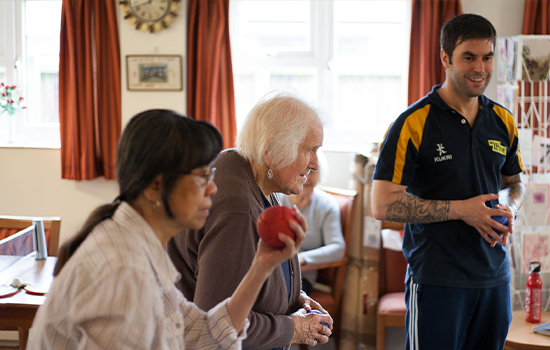
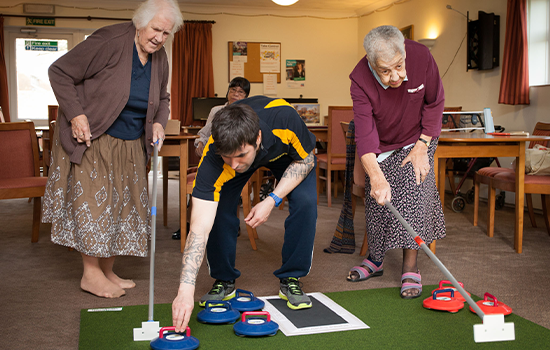
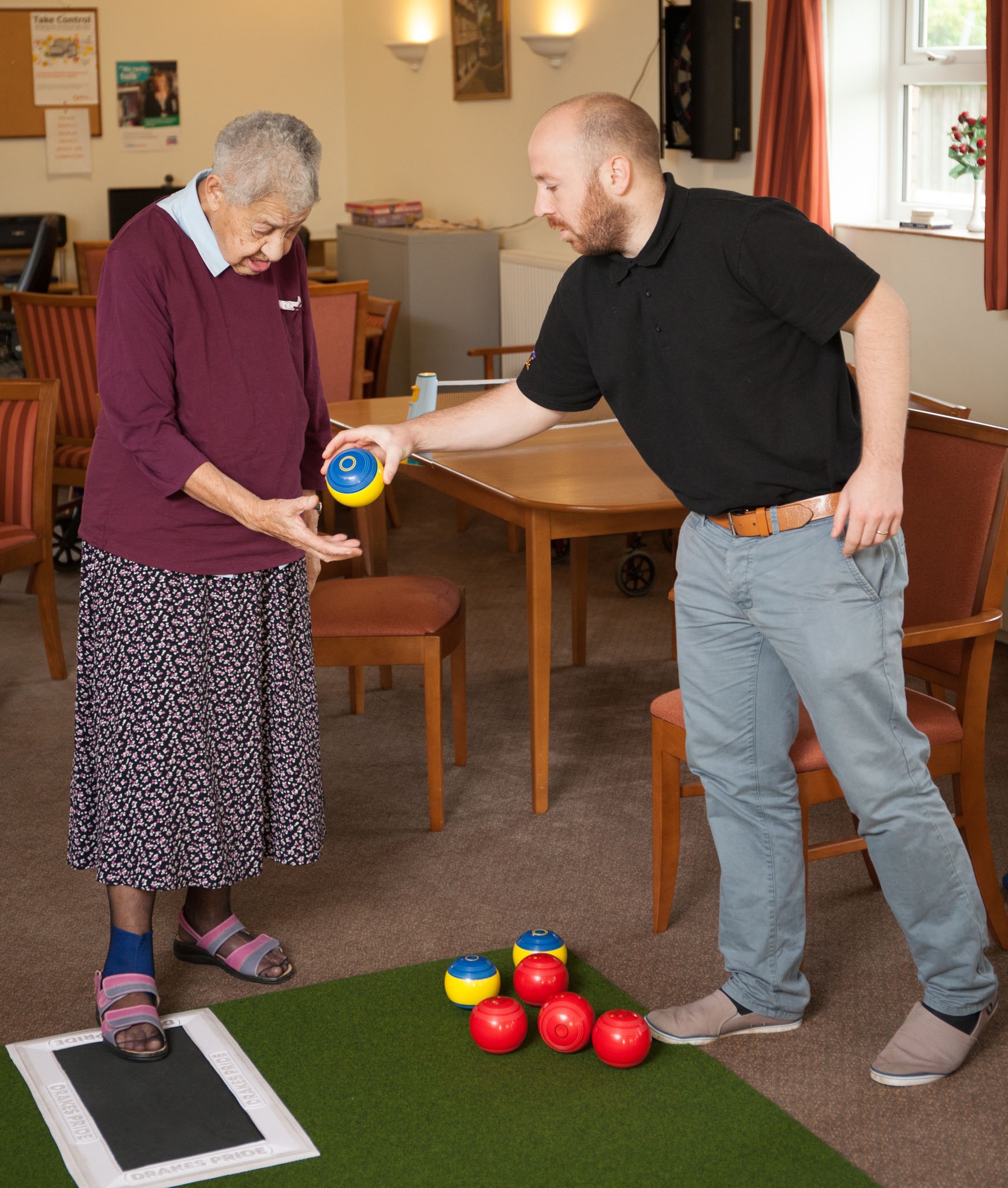
- Mobile Me differs from many other physical activity programmes described in the literature as it is unstructured and low-intensity. Despite this, there were improvement in some of the outcomes measured. Mobile Me provides an example of a different approach to engaging older people in physical activity.
- Mobile Me was cost-effective in three out of four scenarios tested using the Sport England MOVES model. However, this model does not account for reduced social care costs, which may be an important economic outcome for projects such as Mobile Me. The MOVES model may also over-estimate cost-effectiveness where the population have pre-existing health conditions.
Conclusion
Active Norfolk’s Mobile Me aimed to break down the barriers to older, inactive people taking part in physical activity and sport.
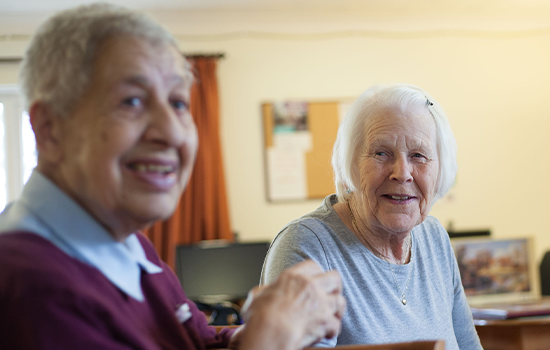
Stakeholders and participants reported that the programme’s defining characteristic was that it was fun and sociable; these are two of the key ingredients identified in the literature as being drivers for participation in physical activity by older people.
A high proportion of those taking part were disabled or in bad health. Mobile Me activities were highly accessible and enabled these individuals to take part in sport along with their peers. While these participants are unlikely to be able to meet the government recommended activity levels, the guidance acknowledges the need to take account of individual circumstance and recognises that any activity is better than none.
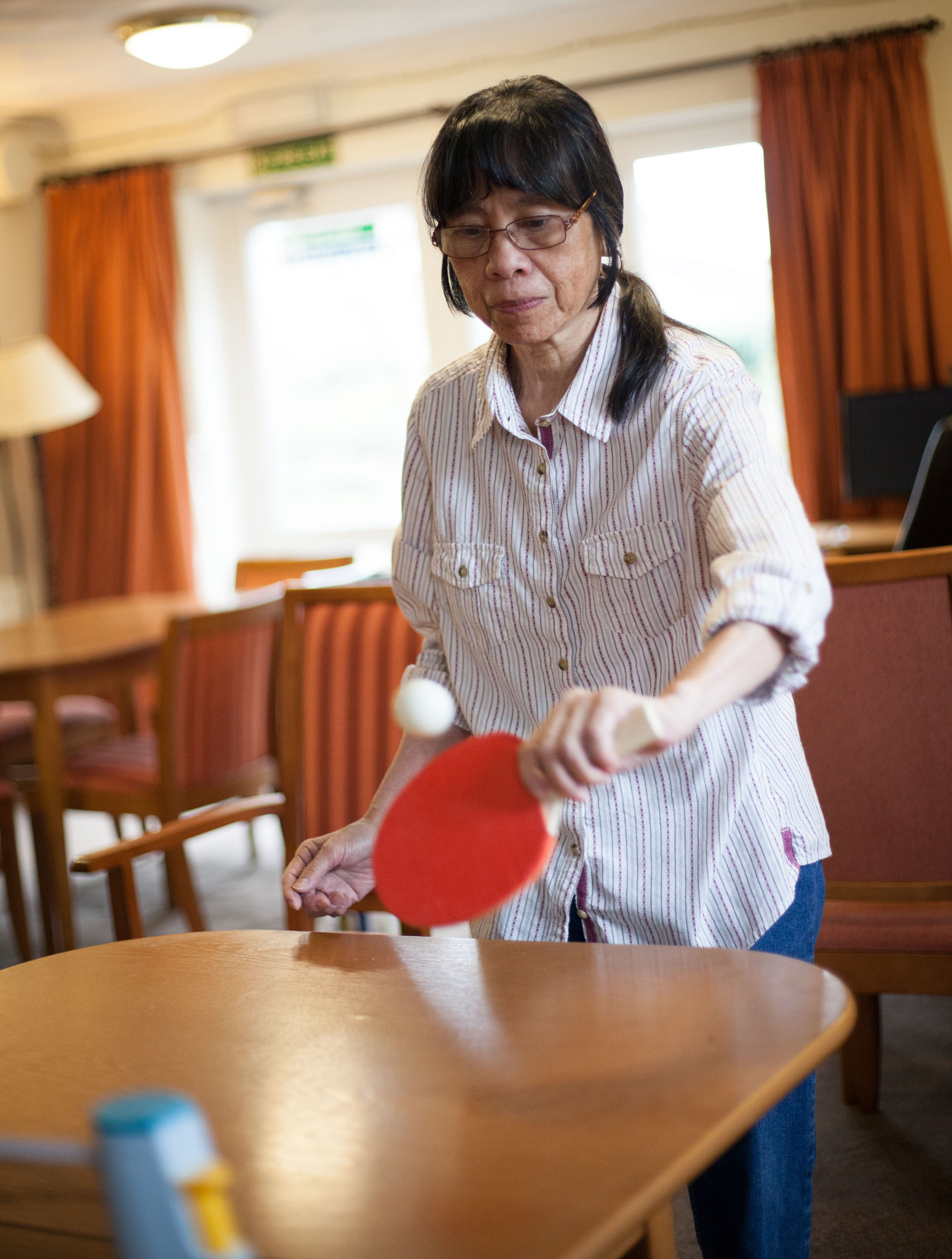
For some participants, however, a programme such as Mobile Me could be a gateway to higher levels of activity; the next steps might be to investigate whether and how a more structured programme of progression could be embedded to enable this but without losing the ethos of the programme.
Recommendations
For Commissioners
• Due to the success of the Mobile Me project in achieving outcomes that align with local strategy linked to health and social care commissioners should make bringing the format of inclusive, failure-free and fun activity sessions into future projects a priority.
• Develop locality-based projects to make the offer of inclusive physical activity sessions in residential settings individualised to their community, but with an aim to influence county-wide services so there is a unilateral approach.
• Increase the scale of projects in residential settings across regions to meet local and national objectives, e.g. reduced isolation and loneliness and improved independence in later life including falls prevention, which emerged as a key finding from the
Mobile Me project.
• Ensure organisations responsible for project delivery are able to identify and train individuals within care homes and residential settings who are able to manage or deliver ongoing activity classes.
For the Care Sector
• Senior care home policy makers should look to build the offer of fun, failure-free and inclusive physical activity into their care provision frameworks in order to improve health and wellbeing of their residents
• As part of a county wide drive to improve independence in later life care homes should ensure exercise classes become a regular fixture in the lives of residents.
• Make voluntary activity classes an attractive offer for older residents, in accordance with Sport England’s 2016 Strategy, by using high quality equipment, coaches with experience of working with older people and upscaling the knowledge of the pre-existing workforce on the health benefits of physical activity.
For Deliverers
• In order to make sessions appealing for care home residents, deliverers should ensure sessions are failure-free, inclusive and fun.
• Deliverers should appreciate that socially isolated and inactive residents may be less pro-active about participation but that the Mobile Me findings suggest these residents have the most to gain in terms of social engagement and independence.
• Provide high quality equipment which enables engaging activities for older residents who may begin any programme of exercise or activity with low capability.
• Have the necessary experience of adapting physical activity sessions to meet the need of residents or attend training on how to do this.