Live Active

We will focus our efforts on:

  • Increasing levels of activity among people with long term health conditions
  • Supporting adults with mental health conditions
  • Increase participation in physical activity among the following underrepresented groups:

    1. Adults with disabilities

    2. Adults from low-income households

    3. Women
  • Improving access to opportunities to be active in rural areas
  • Live Active: Supporting more adults in Norfolk to benefit from a physically active lifestyle

    We've always been passionate about the benefits of a more physically active lifestyle at Active Norfolk. We know that being more physically active can not only improve your physical and mental health, but drastically helps with the prevention and management of Long Term Health Conditions, and improves life expectancy. For this reason, we want to help more adults across Norfolk to be more active.

    However, we know that not everyone experiences the same inequalities and barriers to physical activity. For that reason, we will focus our efforts on those who could benefit the most.

    We have several projects through which we are tackling inequalities and barriers to sport and physical activity. These include our flagship programme Active NoW which partners us with the Norfolk & Suffolk ICB, local authorities and community providers to offer exercise referral pathways for adults with long-term health conditions.

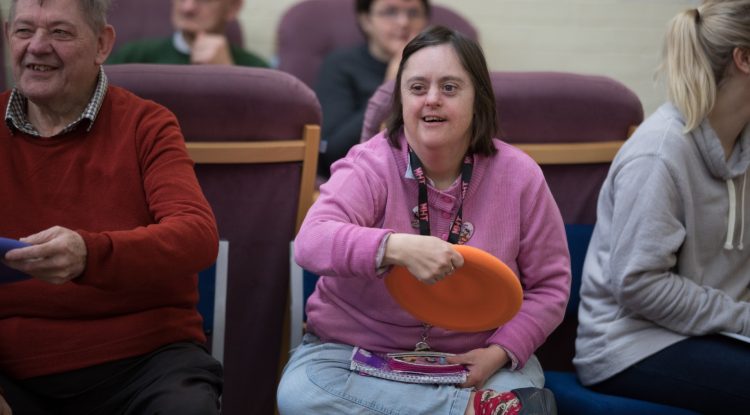
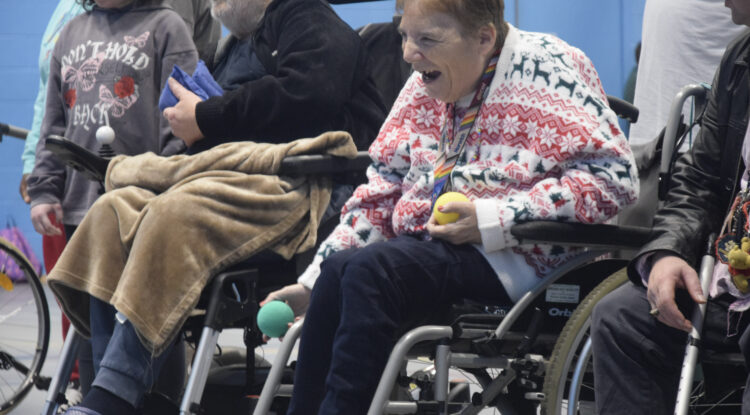
    Our work with inclusivity includes our collaborative efforts on the Get Out Get Active (GOGA), Special Olympics and the DRAGONs programmes.

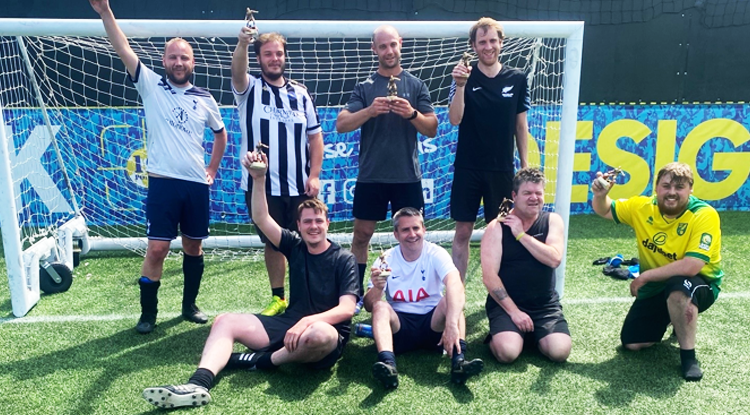
    We also play a crucial part in the delivery of the All To Play For programme; a socially inclusive football drop-in session for men experiencing poor mental health.

    (Active Lives Survey, 2024-2025) It is recommended that adults aim for 150+ minutes of moderate physical activity each week. We know that there are still several barriers in place that prevent people from being as physically active as they'd like.

    Did you know:
    Why is this so important? 49.1% of people with a disability or long-term health condition are active for 150+ minutes a week. This is 20.7% less than those without. 24.7% of all adults across the country are inactive (doing less than 30 minutes of physical activity a week). 60% of adults are estimated to be overweight or obese across the country. 44% of people with two or more characteristics of inequality meet the CMO guidelines for activity. This is 29% lower than those without any characteristics. (Active Lives Survey, 2024-2025) (Norfolk JNSA, 2025) (Active Lives Survey, 2024-2025) See more insights and data

    Connect Develop the health workforce to support more inactive people to move more.

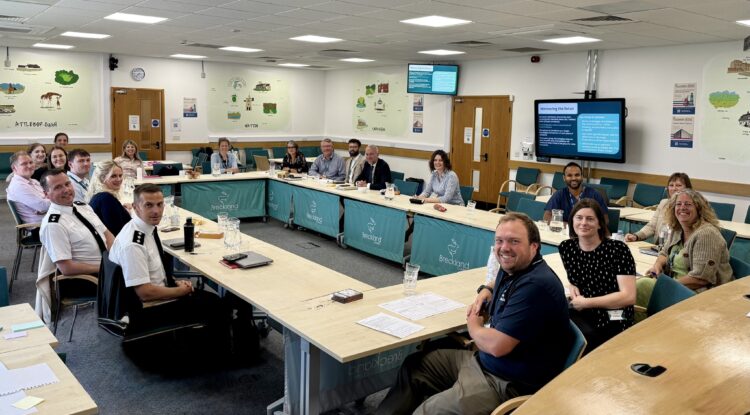
    Strengthen and create new connections between partners to address complex issues.
    How will we do it? Find out more in the strategy Enable Enable local communities to access funding, training and resources to create sustainable opportunities for people to be active close to where they live. Advocate Innovate with partners to create new pathways to physical activity for those people experiencing the greatest inequalities.

    Encourage organisations to sign up to our Norfolk Moves Charter commitment, making physical activity a priority.

    Our work

    Click on any of the links to find out more about our areas of work with adults across Norfolk. Alternatively, if you’re looking to get in touch, visit our contact page and send us a message directly.

    Privacy Overview

    Last updated May 2024

    This website uses cookies so that we can provide you with the best user experience possible. Cookie information is stored in your browser and performs functions such as recognising you when you return to our website and helping our team to understand which sections of the website you find most interesting and useful.

    This Cookie Policy explains how Active Norfolk ("Company," "we," "us," and "our") uses cookies and similar technologies to recognize you when you visit our website at  https://www.activenorfolk.org ("Website"). It explains what these technologies are and why we use them, as well as your rights to control our use of them.

    In some cases we may use cookies to collect personal information, or that becomes personal information if we combine it with other information.


    What are cookies?

    Cookies are small data files that are placed on your computer or mobile device when you visit a website. Cookies are widely used by website owners in order to make their websites work, or to work more efficiently, as well as to provide reporting information.

    Cookies set by the website owner (in this case, Active Norfolk) are called "first-party cookies." Cookies set by parties other than the website owner are called "third-party cookies." Third-party cookies enable third-party features or functionality to be provided on or through the website (e.g., advertising, interactive content, and analytics). The parties that set these third-party cookies can recognize your computer both when it visits the website in question and also when it visits certain other websites.


    Why do we use cookies?

    We use first- and third-party cookies for several reasons. Some cookies are required for technical reasons in order for our Website to operate, and we refer to these as "essential" or "strictly necessary" cookies. Other cookies also enable us to track and target the interests of our users to enhance the experience on our Online Properties. Third parties serve cookies through our Website for advertising, analytics, and other purposes. This is described in more detail below.


    How can I control cookies?

    You have the right to decide whether to accept or reject cookies. You can exercise your cookie rights by setting your preferences in the Cookie Consent Manager. The Cookie Consent Manager allows you to select which categories of cookies you accept or reject. Essential cookies cannot be rejected as they are strictly necessary to provide you with services.

    The Cookie Consent Manager can be found in the notification banner and on our website. If you choose to reject cookies, you may still use our website though your access to some functionality and areas of our website may be restricted. You may also set or amend your web browser controls to accept or refuse cookies.

    The specific types of first- and third-party cookies served through our Website and the purposes they perform are described in the tabs below (please note that the specific cookies served may vary depending on the specific Online Properties you visit)